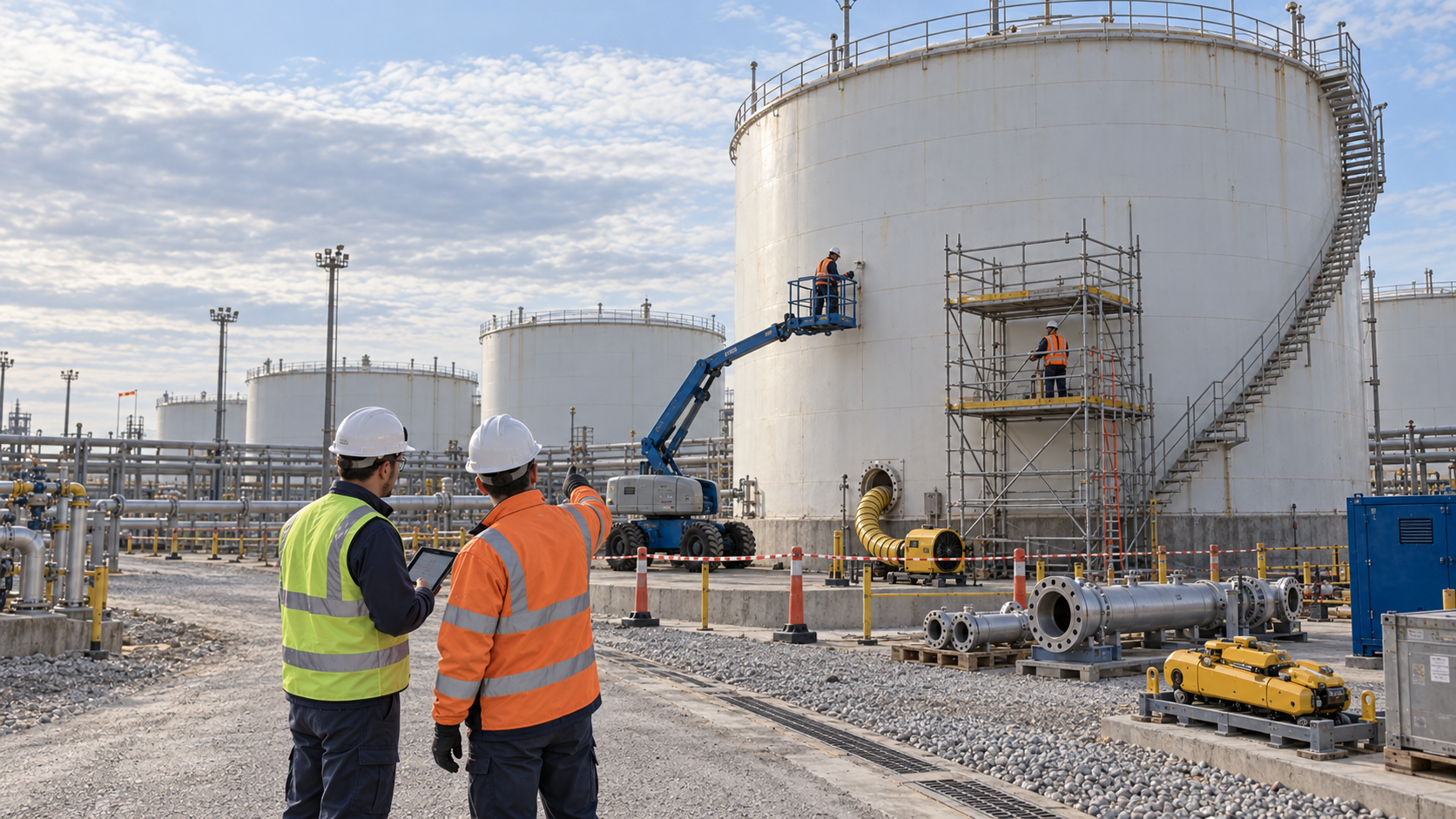
Why turnarounds often exceed expectations
Tank turnarounds are essential for maintaining asset integrity, ensuring regulatory compliance, and extending service life. They are also one of the largest sources of operational disruption and maintenance expenditure for terminal operators.
Many turnaround projects begin with incomplete visibility into actual asset condition. Operators may enter an outage with assumptions based on historical inspection reports, previous repairs, or limited condition data. Once the tank is opened and detailed inspections begin, previously unknown issues are often discovered.
These findings lead to
- Expanded work scopes
- Additional engineering reviews
- Increased contractor requirements
- Schedule delays and budget overruns
- Extended downtime
The root cause is
- Incomplete pre-outage condition data
- Assumptions substituted for verified intelligence
- Risk profiles based on historical snapshots
- Planning disconnected from current asset state
The cost of uncertainty
Uncertainty is one of the largest contributors to turnaround inefficiency. Without accurate and current asset intelligence, organizations struggle to answer critical questions before shutdown begins.
- Corrosion state: How much corrosion exists today? Has the rate accelerated since the last inspection?
- Settlement progress: Has settlement progressed? Are foundation conditions affecting structural integrity?
- Repair effectiveness: Are previous repairs still effective? Have operating conditions undermined past remediation?
- Emerging risks: What additional risks may emerge during the outage that current data does not reveal?
The principle
The less certainty available before the shutdown begins, the greater the likelihood of unexpected discoveries during execution.
Data-driven turnaround planning
Leading operators are increasingly using advanced inspection technologies and digital asset intelligence to improve turnaround preparation. Rather than waiting until the outage begins, they gather condition data earlier and use it to build more accurate work scopes.
What data-driven planning enables
- Better repair forecasting
- Improved budget development
- Accurate contractor planning
- Reduced contingency requirements
By understanding asset condition before taking a tank offline, operators can significantly reduce execution risk.
How ATR 360 supports turnaround optimization
ATR 360 provides the technologies and workflows needed to improve turnaround planning and execution.
HazLoc-certified robotic inspection: Current condition data gathered in service before the outage begins, not after.
Advanced NDE and corrosion assessment: Thickness mapping, corrosion rate analysis, and structural assessment to quantify what needs remediation.
Laser scanning and digital twins: Dimensional validation and digital twin development for more accurate repair scope definition and contractor coordination.
Asset intelligence workflows: Inspection findings, maintenance records, and engineering assessments integrated for smarter outage planning.
Digital twins play an increasingly important role here. By bringing inspection findings, dimensional surveys, historical maintenance records, and engineering assessments into a single environment, operators gain a clearer understanding of asset condition, turning turnaround planning from a reactive process into a proactive strategy.
The business value of reduced downtime
Reducing turnaround duration creates measurable business value. For large terminals and tank farms, even modest reductions in outage duration can generate significant financial returns.
Measurable business benefits
- More tank availability
- Lower maintenance costs
- Safer workforce performance
- Better operational continuity
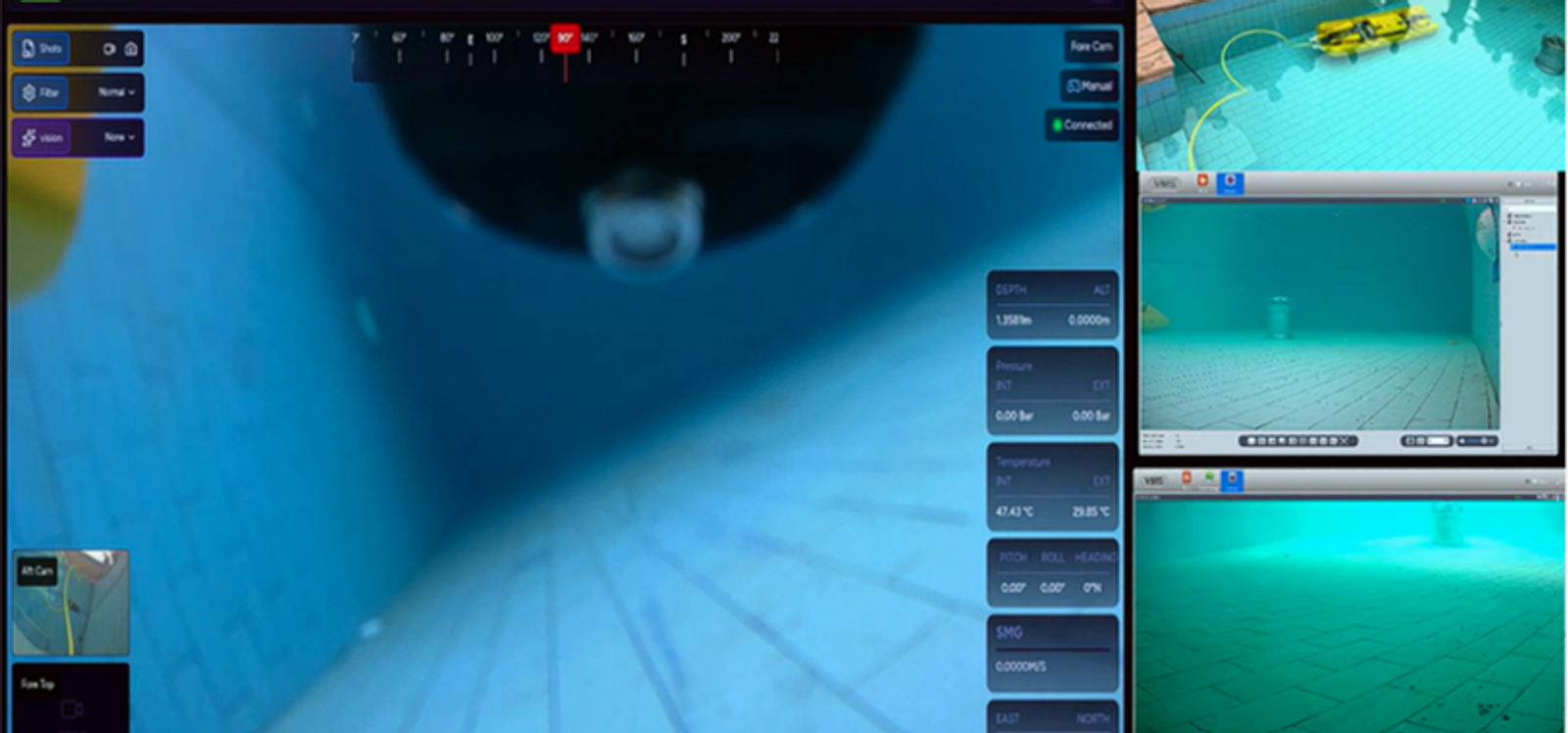
The future of turnaround management belongs to operators who can make decisions using current asset intelligence rather than assumptions.
Successful tank turnarounds begin long before a tank is taken out of service. The more accurately operators understand asset condition in advance, the more effectively they can plan work scopes, allocate resources, and minimize downtime.
About the author
Andre Lewis
Andre Lewis is the Director of Solutions Delivery at Agellus Tank Robotics, leading the delivery of safe, practical robotic solutions from client need through field execution. With 20+ years across Oil & Gas operations, maintenance, construction, and FPSOs, he combines operational experience with disciplined project delivery to turn ATR’s technology into successful deployments.