The ATR Blog
The Future of Tank Asset Management
Dive into robotic inspection, AI-driven asset integrity, and the operational playbook for ending confined-space entry.
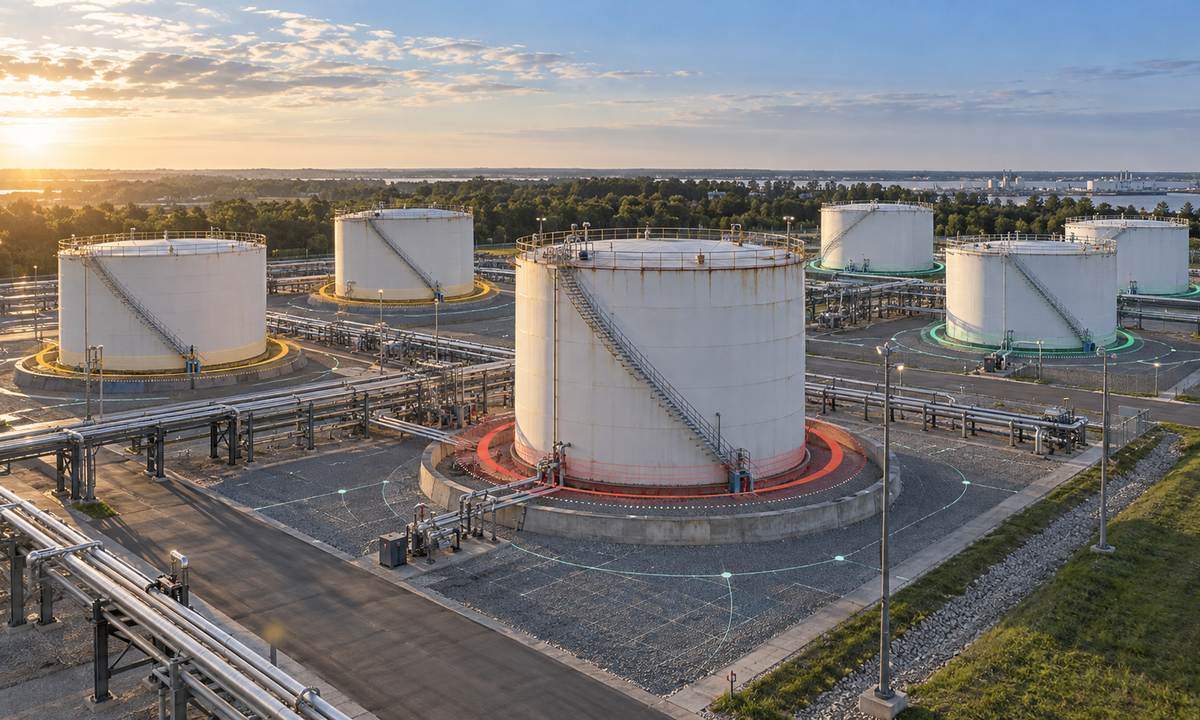
How Operators Can Prioritize Tank Maintenance Using Risk-Based Ranking
Tank maintenance programs are most effective when resources are directed toward the assets carrying the greatest risk. This article explains how probability of failure, consequence of failure and current inspection data can help operators prioritize work, improve capital allocation and reduce portfolio-wide exposure.
Read more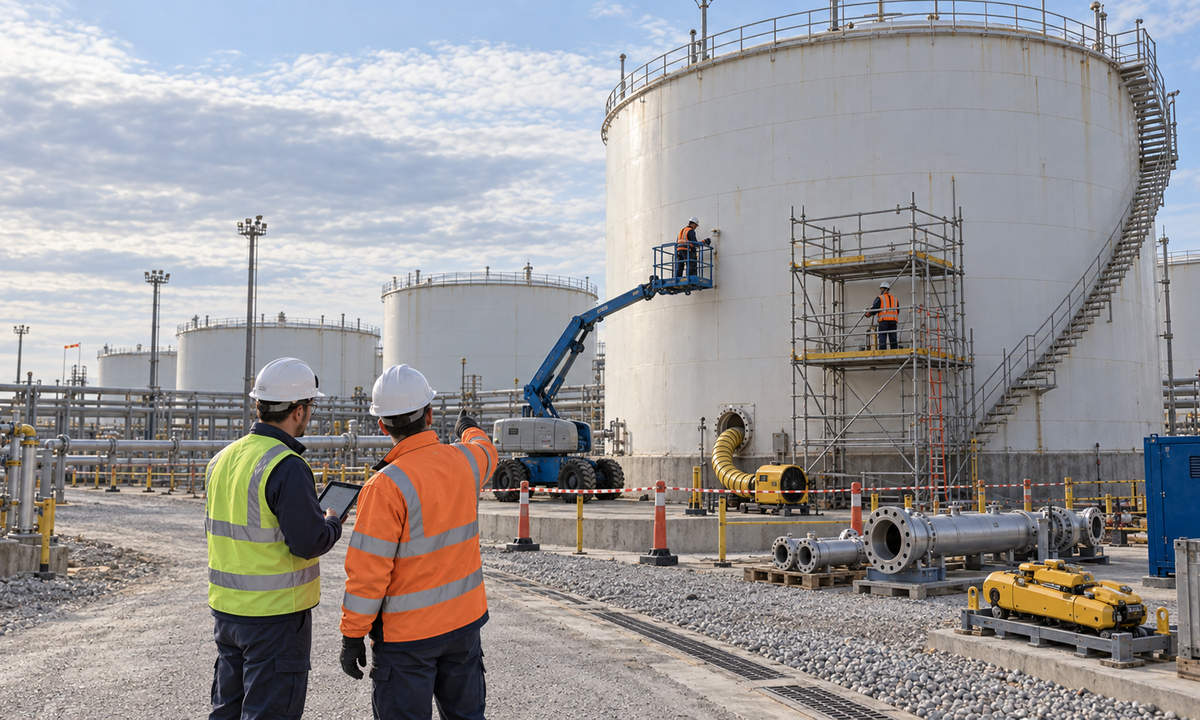
Tank Turnaround Optimization: Reducing Downtime Through Better Planning
Tank turnarounds often run over schedule because critical conditions are discovered only after the tank is opened. Better pre-outage inspection, clearly defined work scopes and coordinated contractor planning give operators the visibility needed to reduce surprises, control costs and return assets to service sooner.
Read more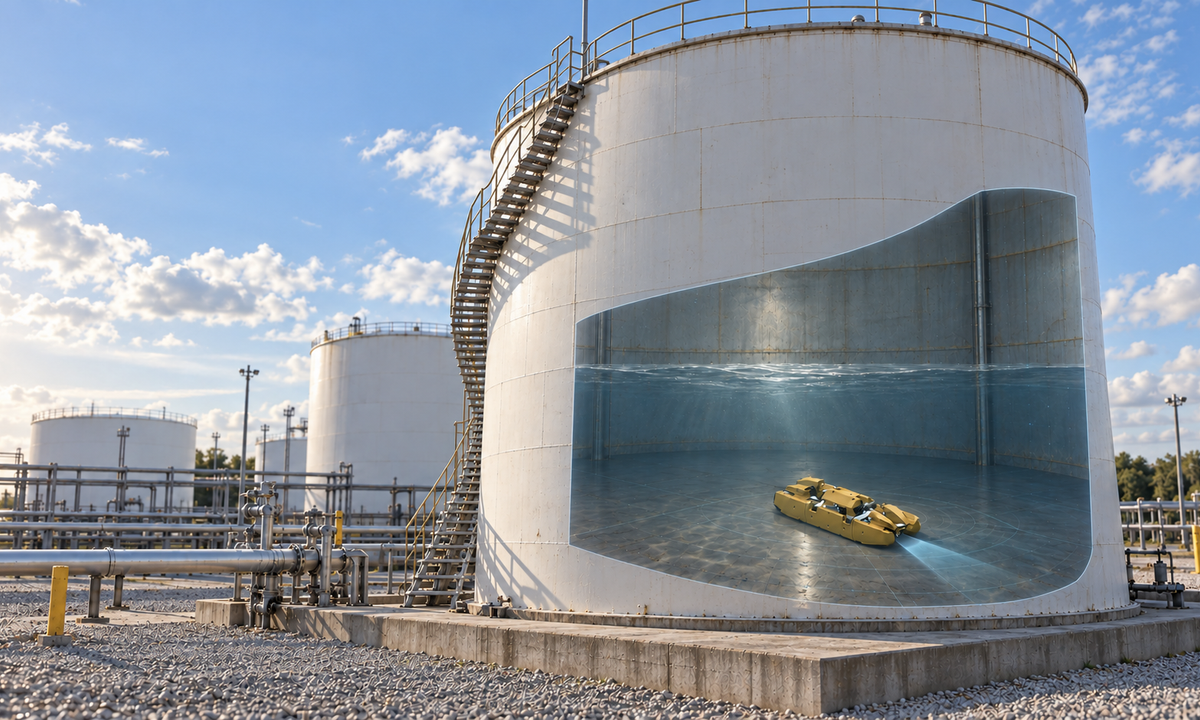
The Business Case for Continuous Tank Health Monitoring
Periodic inspections remain essential, but they only show a tank’s condition at a specific moment. Continuous monitoring combines robotics, advanced NDE and digital twins to track changes over time, helping operators plan maintenance more effectively, reduce downtime, support compliance and extend asset life.
Read more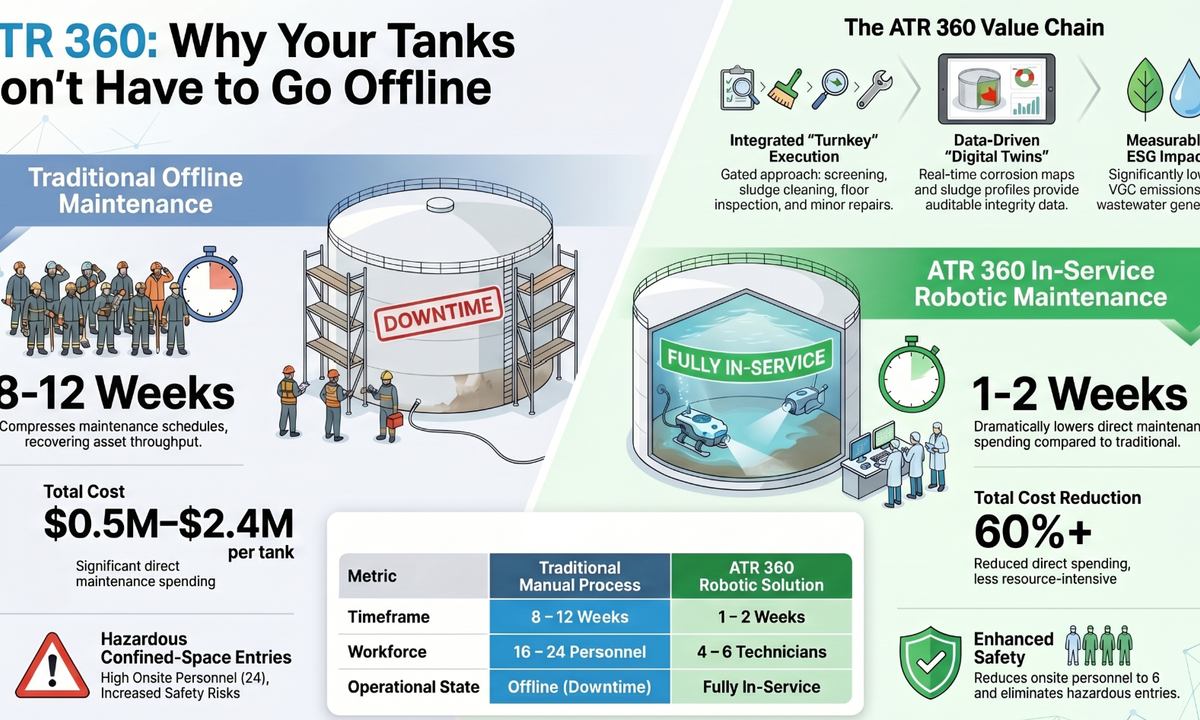
Your Tanks Don't Have to Go Offline. Here's Why That Matters for Every Asset Owner I Talk To.
Ask any asset owner what they dread about tank maintenance and you'll hear the same answer: 8–12 weeks of downtime. 16–24 workers mobilized. $0.5M–$2.4M per tank. Confined-space entries that remain among the most hazardous work in our industry.
Read more