The limits of periodic visibility
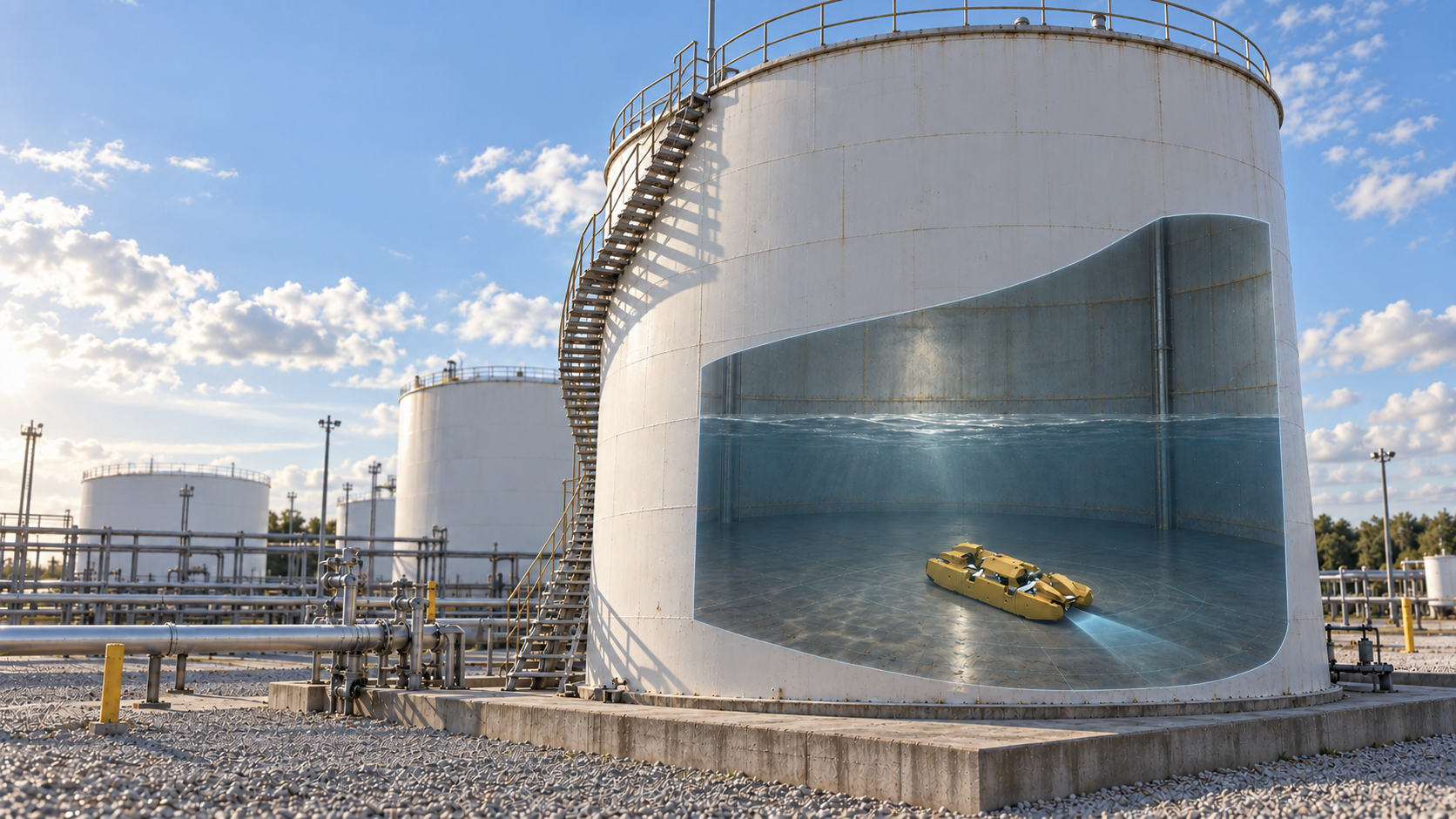
For decades, storage tank integrity programs have been built around periodic inspections. Those inspections remain essential, but they capture asset condition at a single point in time. They are a snapshot, not a feed.
Between inspection cycles, corrosion continues. Settlement progresses. Operating conditions change and risk profiles evolve. The practical consequence is that business decisions are often made using information that may already be outdated by the time it reaches the people making them.
Continuous tank health monitoring is a shift from periodic visibility to ongoing asset intelligence. Instead of waiting years to learn how conditions have changed, operators can see trends as they develop and act before degradation turns into a costly operational event.
Why continuous monitoring delivers measurable ROI
The business case holds up because continuous monitoring improves risk management and financial performance at the same time. Four outcomes sit at the center of it: lower unplanned downtime, reduced lifecycle maintenance costs, improved outage planning accuracy, and extended asset service life.
Operational benefits
- Reduced unplanned downtime
- Better contractor coordination
- Improved outage planning accuracy
- Enhanced safety performance
Financial and compliance benefits
- Lower lifecycle maintenance costs
- Extended asset service life
- Enhanced regulatory compliance
- More defensible maintenance decisions
ATR 360 and continuous monitoring
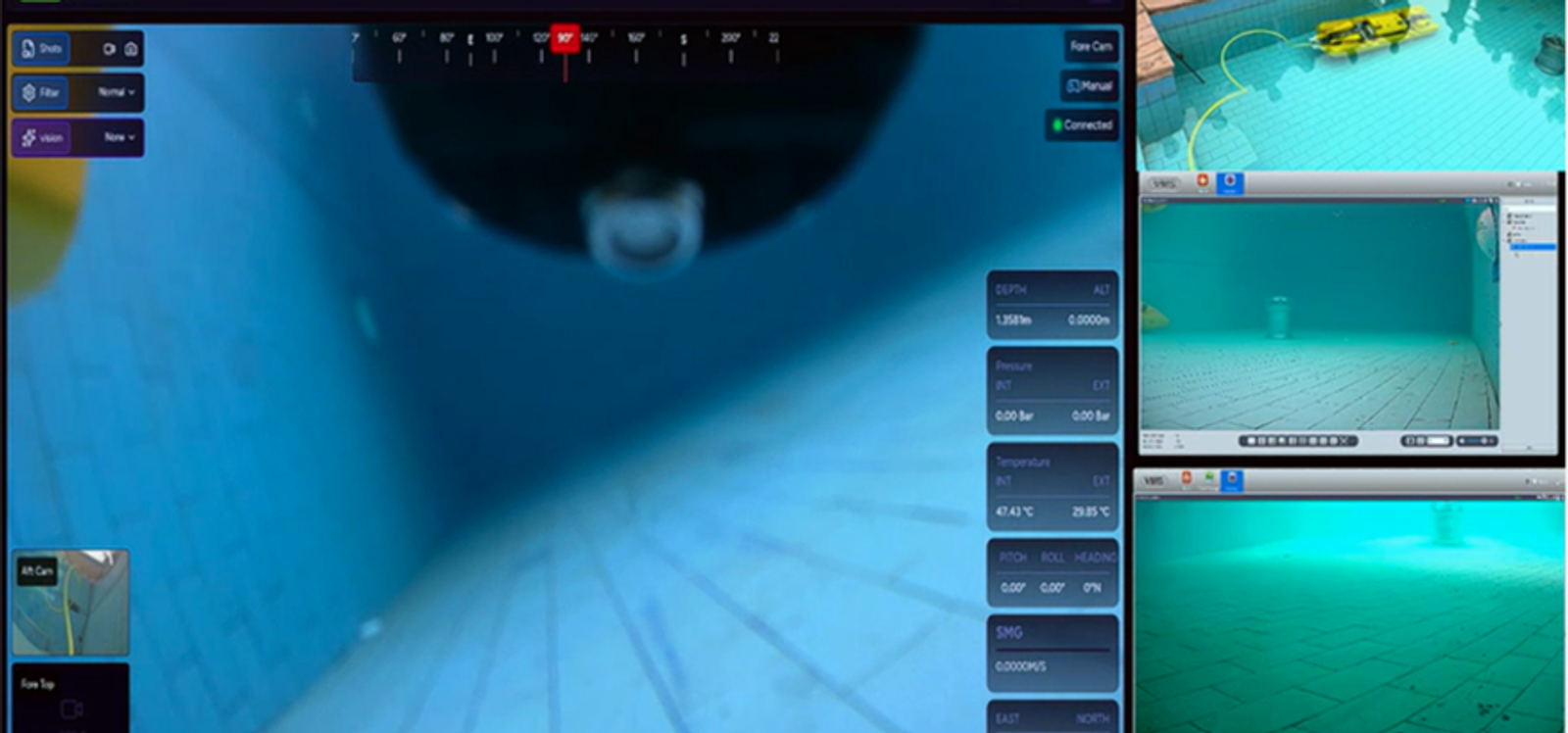
ATR 360 was developed to give operators a connected view of asset health, built on four capabilities.
- HazLoc-certified robotics: In-service robotic inspection without conventional drain, degas, and confined-space entry.
- Advanced NDE technologies: Ultrasonic thickness mapping, corrosion rate analysis, floor scanning, and structural anomaly identification.
- Laser scanning and dimensional validation: Shell deformation mapping, settlement analysis, roof deflection assessment, and geometric verification.
- Digital twin and asset intelligence: Historical and current integrity data integrated into a continuously updated digital twin, supporting evidence-based decisions.
Together, these capabilities create a foundation for continuous asset awareness rather than campaign-by-campaign reporting.
Why leadership should care
Continuous monitoring is not simply an engineering initiative. It is a business strategy, and the value shows up at the portfolio level.
- Risk visibility: Better visibility into asset risk across entire tank portfolios, not just individual inspection campaigns.
- Capital forecasting: Improved forecasting of future capital requirements based on actual degradation trends rather than assumptions.
- Governance and compliance: Stronger governance and compliance oversight backed by current, auditable condition data.
- Asset life extension: Increased confidence in asset-life extension programs supported by continuously validated engineering data.
The future of tank integrity
Tank integrity management will increasingly rely on connected data, robotics, advanced NDE, digital twins, and continuous monitoring technologies. The question is no longer whether continuous tank health monitoring creates value. It is how quickly operators can put these capabilities to work to improve reliability, reduce risk, and optimize asset performance.
ATR 360 helps organizations move beyond inspection snapshots toward continuous asset intelligence — turning tank integrity from a reactive function into a strategic business advantage.
About the author
Damien Goodyear
Damien Goodyear is the Chief Operating Officer of Agellus Tank Robotics, responsible for operational strategy, technology deployment, and delivery performance across ATR's global operations. Damien brings extensive experience scaling inspection and asset integrity services in the Oil & Gas sector