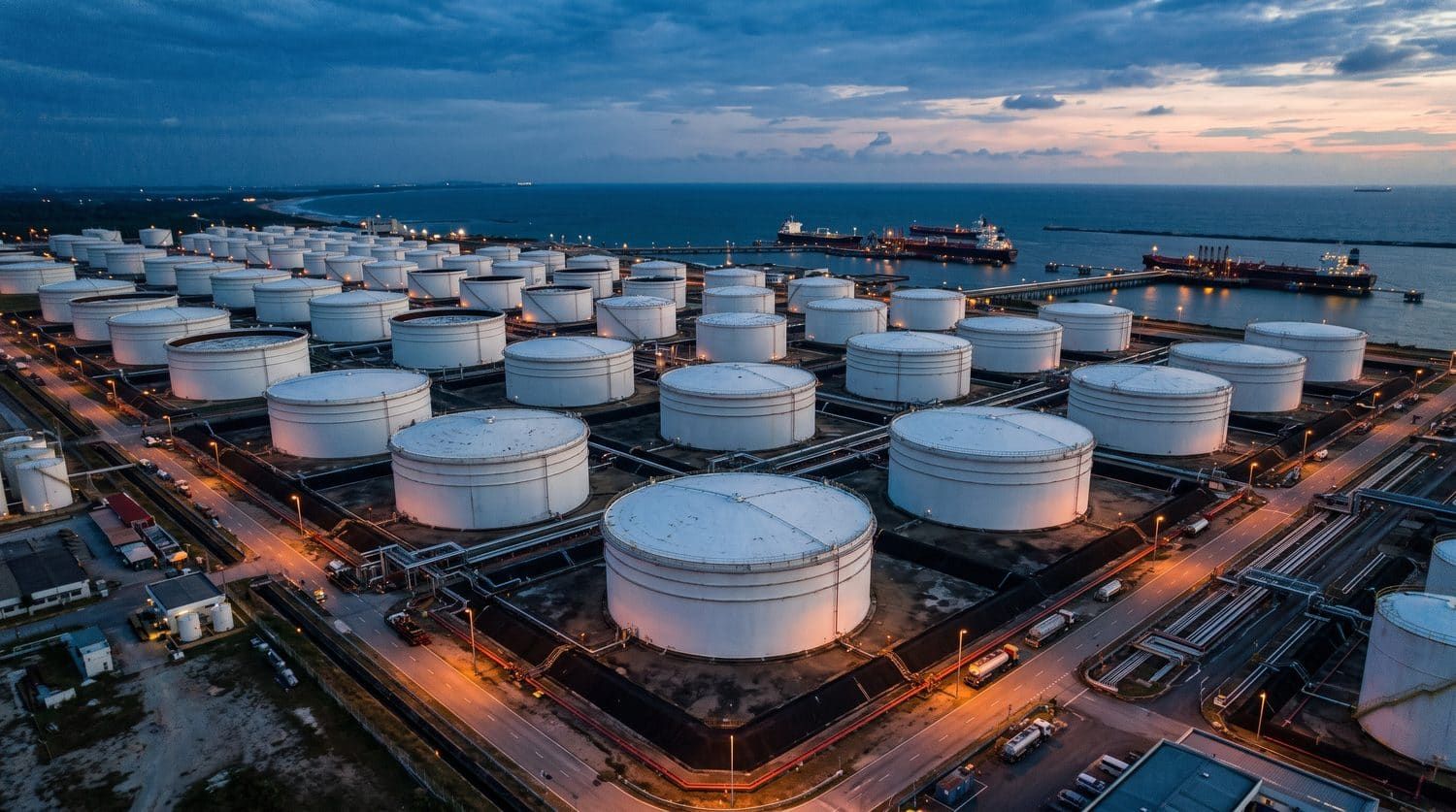
For most of the industry's history, inspecting a storage tank meant taking it offline, draining it, ventilating it, and sending a person into a confined space. We think that model is overdue for retirement.
The hidden cost of an entry
Every confined-space entry carries risk that no permit fully removes. It also carries cost: lost throughput, ventilation, standby rescue teams, and days of schedule.
- Atmospheric hazards that require continuous monitoring
- Lost product throughput during the outage
- Standby rescue and permitting overhead
A robot-first default
When a certified robot can do the same work while the tank stays in service, the entry stops being necessary and the data comes back better, not worse.
SafetyIndustryFounding